

Searching for an online casino can bring up lookalike pages‚ unofficial promotions and links that are difficult to verify. For players in the United Kingdom‚ checking that a site is genuine is more than a matter of convenience: it helps you understand who operates the service‚ what rules apply and where to go if something goes wrong. This guide explains practical checks for identifying the Mr Run Casino site and evaluating it before you register or deposit.
Start with the address rather than an advert or a search-result headline. The domain to check is https://mrruncasino-uk.com. Type it carefully into your browser and check the spelling before entering any personal information. A familiar logo‚ colour scheme or welcome offer is not proof of authenticity: copied pages can reproduce those details. Treat unexpected variations in the domain‚ misspellings and links sent through unsolicited messages as reasons to pause and investigate.
Check the domain and connection
Look at the complete web address in the browser’s address bar. Confirm that the domain matches the one you intended to visit‚ without extra words‚ swapped letters or a misleading ending. A secure HTTPS connection is also important when transmitting information‚ but it does not establish that a business is licensed or trustworthy. It only indicates that the connection is encrypted; it cannot validate the operator behind the page.
Be cautious of links in social posts‚ emails‚ text messages and online forums‚ particularly when they promise a limited-time bonus or ask you to act immediately. Instead‚ enter the known address yourself or use a bookmark you created after checking it. If a link redirects to a different domain‚ stop and assess why. A redirect may have a legitimate explanation‚ but you should not assume that it is safe without checking the destination and the site’s own information.
Verify operator and licensing information
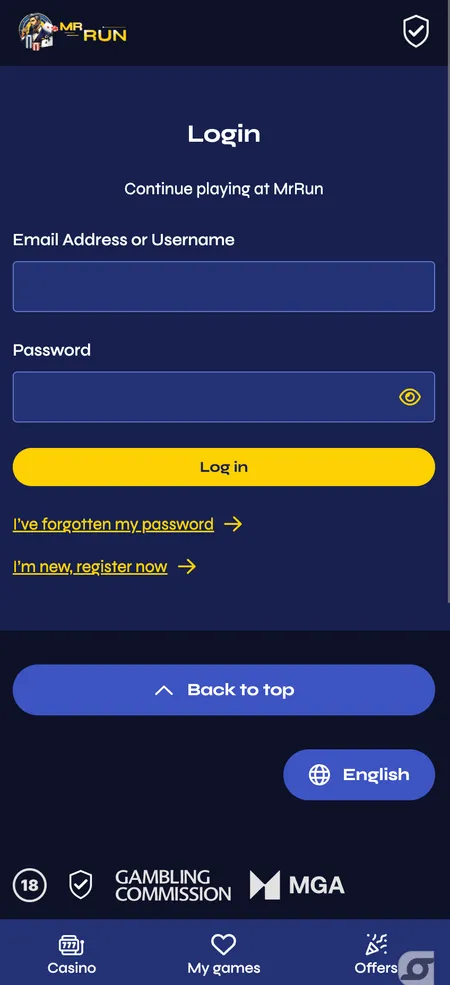
A casino serving people in Great Britain should make its operator and licensing details easy to find. Look in the footer and in pages such as “About Us”‚ “Terms and Conditions” or “Responsible Gambling”. Note the legal company name‚ licence number and any stated regulator. Then check those details independently against the regulator’s official records. Do not rely solely on a licence badge displayed on the casino page: a logo can be copied‚ and a number may be inaccurate or belong to another company.
Use the UK Gambling Commission’s official website and public register to check whether the named operator is licensed for the relevant activities and whether the domain is associated with that operator. Compare the registered business name‚ website address and licence status‚ not just one matching detail. If you cannot find a clear operator or the information conflicts with the register‚ do not deposit until you have resolved the discrepancy.
Licensing requirements can differ depending on where in the UK a player lives and which service is being offered. The operator’s own terms should explain its eligibility rules and any territorial restrictions. If the site’s claims are vague‚ or it appears to target British customers while providing no verifiable information about its authorisation‚ regard that as a significant warning sign.
Read the terms before registering
Genuine-looking websites can still have terms that are unsuitable for you. Before opening an account‚ read the rules on age and identity checks‚ deposits‚ withdrawals‚ bonus eligibility‚ account closure and complaints. Pay particular attention to wagering requirements‚ maximum bet limits while a bonus is active‚ excluded games and withdrawal caps. Promotional banners often simplify the offer; the full terms determine how it works.
Check whether the casino explains how long identity verification may take and which documents it may request. A legitimate operator may need to verify a customer’s identity and source of funds‚ but you should understand the process before submitting sensitive documents. Use only the account area or a clearly identified secure channel described by the site. Never send passwords‚ one-time passcodes or full payment credentials in response to an unsolicited message claiming to be support.
Payment information should also be clear. Review the available methods‚ minimum and maximum transaction amounts‚ processing times‚ possible fees and any differences between deposit and withdrawal options. If the page promises instant cash-outs without explaining conditions‚ treat the claim as marketing rather than a guarantee. Keep a copy of relevant terms at the time you accept a promotion‚ since offers and rules may change.
Assess the site’s games and safety information
A casino’s games page should identify the titles and‚ where applicable‚ the studios that provide them. Open a game’s information panel to look for details such as its rules‚ return-to-player figure and volatility. These features help you understand how a game is designed‚ but they do not predict a particular session. Slots and other casino games involve chance; no system‚ pattern or tip can guarantee a win.
Look for information about game testing and fairness‚ and verify any certification claims with the named testing organisation when possible. Also review the site’s privacy notice to learn what data it collects‚ why it uses it‚ how long it keeps it and how you can contact the operator about your information. A clear privacy policy and accessible customer support are useful signs of transparency‚ although neither replaces checking the licence and operator independently.
Check that safer-gambling tools are available and explained. Depending on the service‚ these may include deposit‚ loss or session limits‚ reality checks‚ time-outs and self-exclusion. The site should provide a straightforward route to set limits and request help. If those controls are difficult to locate or support cannot explain how they work‚ consider whether the casino is appropriate for you.
Warning signs to take seriously
- Unverifiable credentials: The operator name or licence number is missing‚ inconsistent or absent from the regulator’s official records.
- Pressure to pay quickly: A message threatens to cancel a prize or bonus unless you deposit immediately.
- Unusual payment requests: Someone asks you to transfer funds to a personal account‚ buy gift cards or share a one-time code.
- Unclear withdrawal rules: The site advertises easy payouts but does not explain verification‚ fees or processing conditions.
- Impersonation: Support contacts you from an unverified address or asks for your password or complete card details.
- Broken or copied information: Pages contain mismatched company names‚ generic legal text‚ dead links or details referring to another casino.
One issue alone may not prove a site is fraudulent‚ but several together are a strong reason not to proceed. Do not try to “test” an uncertain casino with a small deposit: even a small payment exposes your financial and personal information. If you have already shared details‚ contact your bank or payment provider promptly‚ change reused passwords and report suspected fraud through the appropriate UK channels.
Questions players often ask
Does a padlock icon mean the casino is genuine?
No. The padlock indicates an encrypted connection to the displayed domain. It does not confirm the operator’s identity‚ licence or reputation. Check the domain and official licensing records separately.
Can I trust a licence badge in the footer?
Not by itself. Follow the details to the regulator’s official register and confirm that the licence belongs to the named operator and covers the relevant website. If the badge links nowhere or the information does not match‚ seek clarification before using the site.
What should I do if a bonus link leads to another address?
Do not enter login‚ identity or payment details until you understand the redirect. Return to the domain you verified independently‚ find the promotion there and compare its terms. If the offer cannot be found on the verified site‚ contact support through the contact details published on that site.
Is it safe to use a search-engine advertisement?
An advertisement is not an endorsement or proof of authenticity. Ads can direct users to affiliates‚ outdated pages or deceptive lookalikes. Check the final destination in the address bar and verify the operator before creating an account.
A careful checklist for UK players
- Enter the domain directly and inspect its spelling and final destination.
- Find the operator’s legal name and licence information on the site.
- Compare those details‚ including the domain‚ with the UK Gambling Commission’s official records where applicable.
- Read the terms for deposits‚ withdrawals‚ bonuses‚ verification and complaints.
- Review privacy information‚ support options and safer-gambling tools.
- Use a unique password and never share security codes or account credentials.
- Set a budget you can afford to lose‚ and do not chase losses.
These checks help distinguish a verified destination from a convincing imitation‚ but they cannot remove the financial risks of gambling. Only adults who are legally permitted to gamble should consider using an online casino. If gambling stops being enjoyable or starts affecting money‚ relationships or wellbeing‚ stop and seek support. In the UK‚ you can find confidential help through organisations such as GamCare and GambleAware.
The safest approach is to verify first and play only if the operator‚ rules and tools meet your expectations. A professional design or attractive welcome offer should never replace independent checks of the domain‚ company and licence. If any essential detail remains uncertain‚ do not register or deposit.
